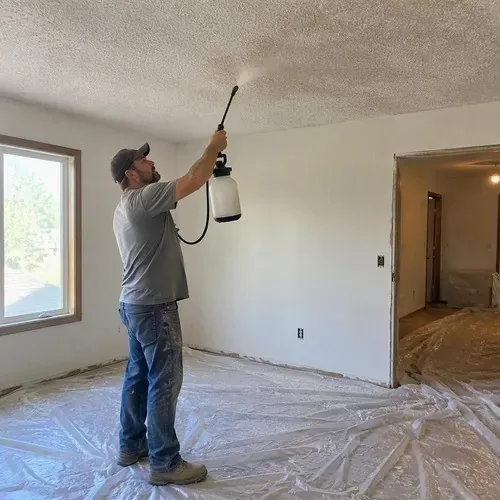
Scrape, Skim and Refinish
Best for unpainted texture with a negative asbestos test. We wet the texture, scrape it off, repair the board and skim to Level 5, keeping full ceiling height.
Dated, yellowed stipple is one of the most common reasons Kingston homeowners call Kingston Drywall Pros. We remove popcorn and stipple ceilings and refinish them smooth in houses, condos and rental units across the Kingston area.
Most of the textured ceilings we see were sprayed in the 1970s and 1980s subdivisions of Bayridge, Amherstview and the west end. Many were painted at some point, which changes how they come off and what the job costs.
The work that matters most happens before any scraping: an asbestos test on older ceilings, sealed containment and a plan for the finish underneath.
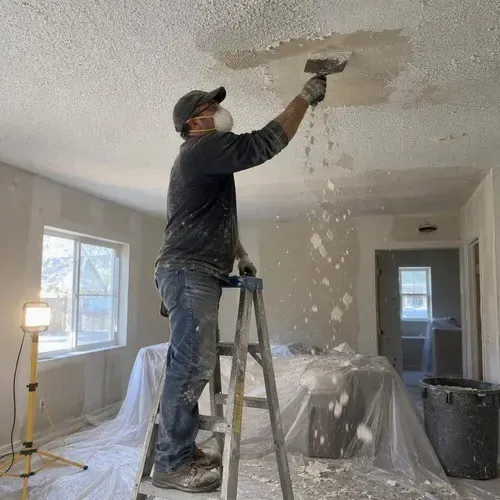
Popcorn ceiling removal is taking off a sprayed acoustic texture and refinishing the ceiling to a smooth, paint-ready surface. In Ontario it is usually called a stipple or stucco ceiling; popcorn is the American name for the same thing.
It is for homeowners updating a dated room, sellers preparing for listing photos and landlords refreshing units. A removal job includes:
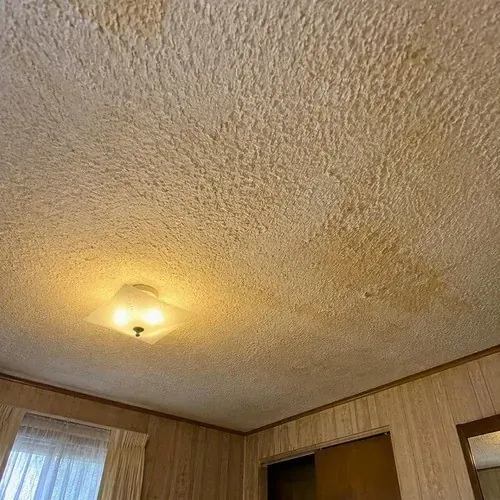
It might, and the only way to know is a lab test. Textured ceiling products sold before the mid-1980s can contain asbestos, and older stock was used on some jobs after that.
Disturbing asbestos-containing material in Ontario is regulated under O. Reg. 278/05, the provincial asbestos regulation for construction and repair work. Before we scrape a ceiling from that era, a small sample must be tested by an accredited laboratory, with results usually back within a few business days.
Never dry-scrape a textured ceiling from before 1990 yourself. A lab test costs far less than cleaning up contaminated dust.
Free written quotes with the finish level spelled out.
There are two proper removal methods, plus a combined job that saves a second round of dust. Each suits a different ceiling and budget.
Best for unpainted texture with a negative asbestos test. We wet the texture, scrape it off, repair the board and skim to Level 5, keeping full ceiling height.
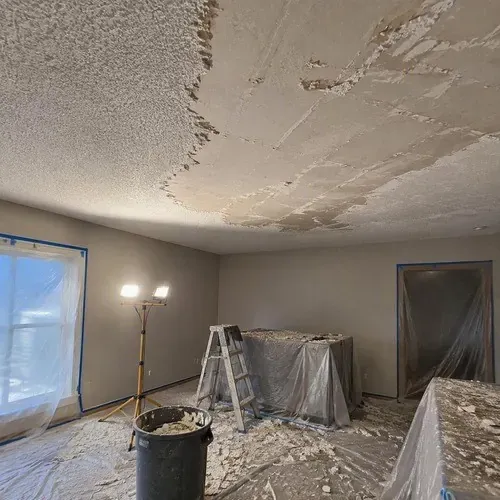
Best for painted texture, damaged ceilings or some positive asbestos results. New 1/4 in. or 3/8 in. board goes over the old ceiling; it is faster and dust-free but lowers the ceiling slightly.
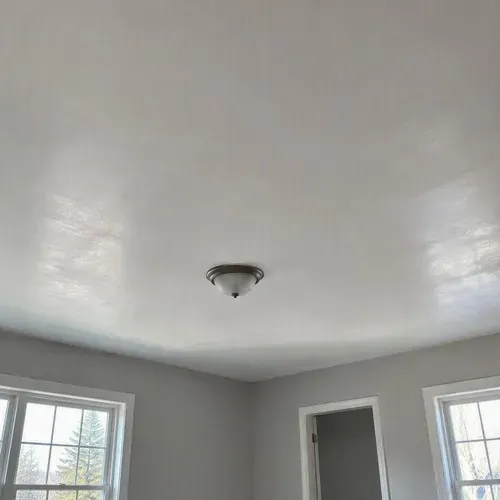
Best if you are adding lighting anyway. Your electrician cuts in after scraping and before our skim coats, and old openings are handled by our pot light hole repair service.
A standard removal runs in six steps over two to three days per room.
We confirm the asbestos result and whether the texture has been painted, which decides the method.
Poly on walls and floors, zip doors on openings and covered vents so dust stays in the room.
Unpainted texture softens with water in minutes and scrapes off cleanly with a wide blade.
Gouges, exposed tape and loose joints are fixed before any skim coat goes on.
Two thin skim coats over the whole ceiling, sanded flat with vacuum extraction.
HEPA vacuuming, plastic down and a coat of primer, ready for your paint.
Removal is messy inside the work room and should be clean everywhere else. We cover walls and floors with poly, seal doorways with zip doors and cover vents so dust cannot travel through the ductwork.
Where the job warrants it we run a HEPA air scrubber to keep the room under negative air pressure. Scraped texture is bagged on the plastic, and the room is HEPA vacuumed before the plastic comes down.
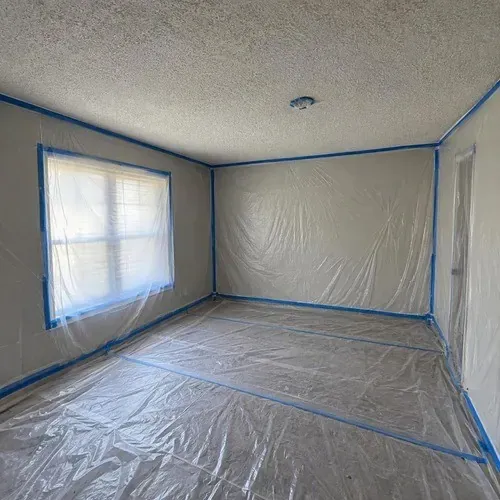
Send us a few photos for a faster estimate.
Stipple removal is priced per square foot of ceiling, or per room for typical bedrooms and living rooms. Whether the texture has been painted makes the biggest difference.
| Factor | Why it matters |
|---|---|
| Painted or unpainted texture | Paint seals the texture so water cannot soften it, so it scrapes harder and needs more skim coating. |
| Asbestos result | A positive result means abatement by a specialist first, which changes cost and schedule. |
| Ceiling height and stairwells | High ceilings and open stairwells need scaffold or staging. |
| Room contents | Furniture left in the room needs extra protection and moving. |
| Pot lights and fixtures | Old openings to patch and new fixtures to finish around. |
Straight answers to the questions we hear on site visits every week.
No. Many do not, but you cannot tell by looking. Only a lab test can confirm it, which is why we test any ceiling installed before 1990.
A typical bedroom takes two to three days: containment and scraping on day one, then skim coats that must dry between applications.
Yes, for tested, asbestos-free ceilings. The work room is sealed off and the rest of the house stays usable.
Sometimes, especially when the texture is painted or the ceiling is damaged. We price both options when it is close.
Water has to soak into the texture to soften it, and paint blocks the water. The texture has to be scraped harder, which gouges the board and needs more repair.
Yes. We finish to Level 5, the standard for gloss and satin finishes and for rooms with strong side light.
Scraping often uncovers cracks, stains or loose joints, which our ceiling repair and taping and finishing teams handle in the same job.
Stipple ceilings are everywhere in the 1970s and 1980s homes of Amherstview and Napanee, and we remove them there regularly.
Send room sizes, a photo of each ceiling and the year your home was built. If you already have an asbestos test result, include it.